
Why Dry Needling is an Undervalued Diagnostic Tool
While dry needling is widely recognized and accepted as an effective therapeutic modality for treating musculoskeletal pain and dysfunction, its utility often stops at treatment. We all know needling is highly effective for eliminating trigger points. However, its value as a diagnostic tool remains heavily underutilized in clinical practice.
I was reminded of this gap during a recent case discussion with a colleague—an exceptionally skilled clinician. He was treating a patient with vague, deep groin pain that could not be localized or reproduced through standard physical palpation.
When I asked if he had considered needling the proximal groin muscles, his response was telling: “Why? I can’t palpate them, so I don’t know if trigger points are even present. Why should I needle?”
This conversation highlighted a common blind spot. We frequently overlook how dry needling can help us diagnose deep, hidden tissues where manual palpation falls short.
1. Navigating Hidden Anatomy via Referral Patterns
Some muscles are simply too structurally deep to isolate by hand. The adductor brevis and part of the pectineus muscles, for example, are buried beneath superficial layers, making specific manual palpation more challenging.
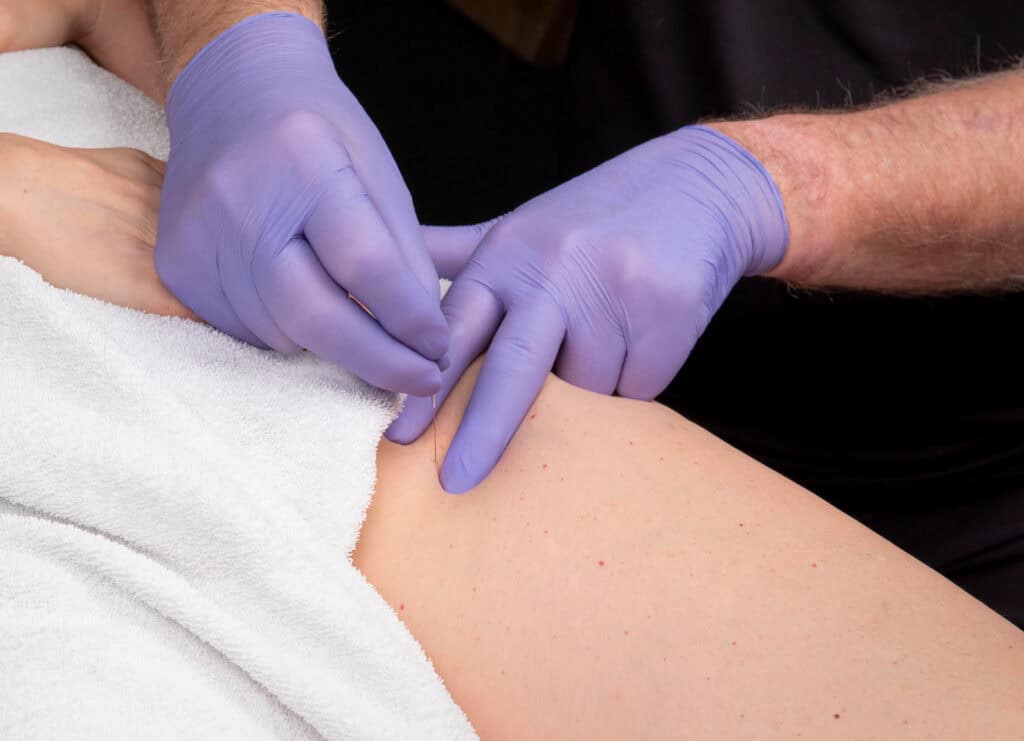
However, these muscles possess highly distinct pain referral patterns. By using a precise needling technique, a clinician can bypass the superficial tissue to engage the target muscle. The patient’s immediate local twitch response or the reproduction of their familiar pain provides definitive diagnostic clarity.
2. Differentiating Overlapping Musculature
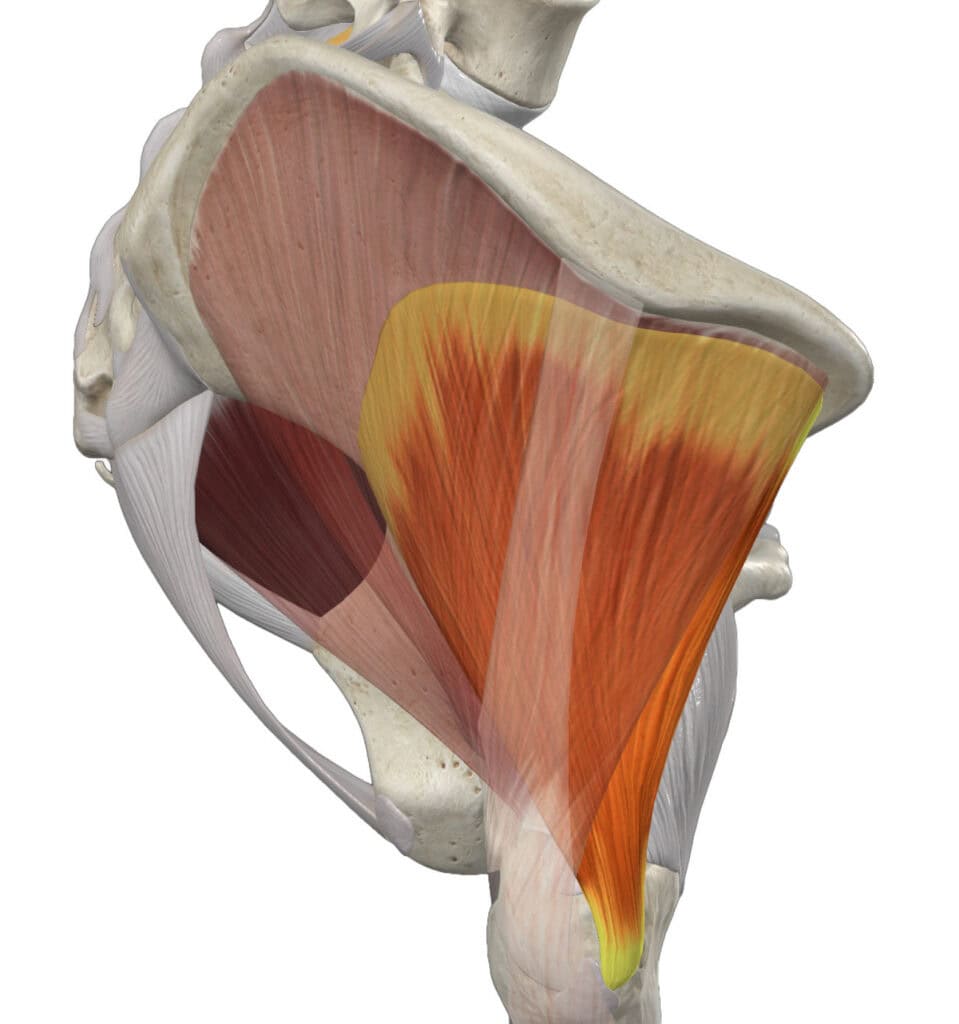
A similar diagnostic challenge occurs throughout the body where dense muscles overlap. Even with the most specific manual palpation, it can be incredibly difficult to distinguish which layer is generating the pathology. Advanced anatomical knowledge combined with precise needle placement allows clinicians to differentiate between overlapping structures, such as:
- Gluteus minimus versus Gluteus medius
- Splenius capitis versus Cervical multifidus
(Image based on Clinical Anatomy – Elsevier)
3. Elevating Your Diagnostic Accuracy
Accurate needling always begins with thorough surface palpation and a flawless three-dimensional understanding of anatomy. You must know exactly where that needle is heading before it enters the tissue.
When you couple that spatial awareness with the patient’s objective presentation and subjective feedback, you gain a powerful diagnostic lens. Integrating needling into your assessment framework might just be the missing link you need to confirm an accurate diagnosis and build a more effective, targeted treatment plan.